-
 More.
More.What is pancreatic cancer?
Pancreatic cancer is relatively uncommon. There are several types of pancreatic cancer, but more than 9 in 10 cases are ductal adenocarcinomas.
Ductal adenocarcinoma of the pancreas
This type of cancer develops from a cell which becomes cancerous in the pancreatic duct. This multiplies and a tumor then develops in and around the duct. As the tumor enlarges:
- It can block the bile duct or the main pancreatic duct. This stops the drainage of bile and/or pancreatic fluid into the duodenum.
- It invades deeper into the pancreas. In time it may pass through the wall of the pancreas and invade nearby organs such as the duodenum, stomach or liver.
- Some cells may break off into the lymph channels or bloodstream. The cancer may then spread to nearby lymph nodes or spread to other areas of the body (metastasis).
-
 More.
More.What is Liver cancer?
Cancer of the liver can be divided into primary liver cancer and secondary liver cancer:
Primary liver cancer means that the cancer started (originated) in the liver. In the UK, primary liver cancer is uncommon. There are around 3,000 cases of primary liver cancer each year in the UK. It occurs most commonly in people aged over 65 years. However, worldwide, it is one of the most common cancers.
Secondary (metastatic) liver cancer means that a cancer which started in another part of the body has spread to the liver. Many types of cancer can spread to the liver. Most commonly, cancers of the bowel, pancreas, stomach, lung or breast. The behavior, treatment and outlook of secondary liver cancers are often quite different to primary liver cancer.
-
 More.
More.What is Gallbladder cancer?
Gallbladder cancer is a relatively uncommon cancer. It has peculiar geographical distribution being common in central and South America, central and Eastern Europe, Japan and northern India; it is also common in certain ethnic groups e.g. Native American Indians and Hispanics. If it is diagnosed early enough, it can be cured by removing the gallbladder, part of the liver and associated lymph nodes. Most often it is found after symptoms such as abdominal pain, jaundice and vomiting occur, and it has spread to other organs such as the liver. The incidence of gall bladder cancer is increasing in China as well as north central India.
It is a rare cancer that is thought to be related to gallstones building up, which also can lead to calcification of the gallbladder, a condition known as porcelain gallbladder. Porcelain gallbladder is also rare. Some studies indicate that people with porcelain gallbladder have a high risk of developing gallbladder cancer, but other studies question this. The outlook is poor for recovery if the cancer is found after symptoms have started to occur, with a 5-year survival rate close to 3%.
-
 More.
More.What is Esophageal Cancer?
Esophageal cancer (or oesophageal cancer) is cancer arising from the esophagus — the food pipe that runs between the throat and the stomach. Symptoms often include trouble swallowing and weight loss. Other symptoms may include pain with swallowing, a hoarse voice, enlarged lymph nodes (glands) around the clavicle (collarbone), a dry cough, and possibly coughing up or vomiting blood. The two main sub-types of esophageal cancer are squamous-cell carcinoma, which is more common in the developing world, andadenocarcinoma, which is more common in the developed world. A number of less common types also occur. Squamous-cell carcinoma arises from the skin cells that line the esophagus. Adenocarcinoma arises from glandular cells present in the lower third of the esophagus, often where they have already transformed to intestinal cell type (a condition known as Barrett's esophagus). The most common causes of the squamous-cell type are: tobacco, alcohol, very hot drinks, and a poor diet. The most common causes of the adenocarcinoma type are smoking tobacco, obesity, and acid reflux.
-
 More.
More.What is stomach cancer?
Stomach cancer is sometimes called gastric cancer. Stomach cancer is more common in men than in women and tends to occur mainly in older people. Most people who develop stomach cancer are over the age of 55.
In most cases, stomach cancer begins from a cell which is on the inside lining of the stomach (the mucosa). This type of stomach cancer is called adenocarcinoma of the stomach. As the cancer cells multiply:
Adenocarcinoma:
The tumor may invade deeper into the wall of the stomach. In time, it may pass through the wall of the stomach and invade nearby organs such as the pancreas or liver.
The tumor may spread up or down the stomach into the esophagus or small intestine.
Some cells may break off into the lymph channels or bloodstream. The cancer may then spread to nearby lymph nodes or spread to other areas of the body (metastasis).
There are some less common and rare types of stomach cancer which include:
Lymphomas: These are cancers which arise from the lymphatic tissue within the wall of the stomach.
Sarcomas: These are cancers which arise from the muscle or connective tissue within the wall of the stomach.
Carcinoid cancers: These are cancers which arise from cells in the stomach lining which make hormones.
-
 More.
More.Persistently high arterial blood pressure, defined as systolic blood pressure above 140 mm Hg or diastolic blood pressure above 90 mm Hg.
-
 More.
More.It is a metabolic disorder characterized by decreased ability or total inability of the tissues to utilize CHO (glucose). This results in shifts and disturbances in the fat and protein metabolism and in water and electrolyte balance. This disorder is due to absence to insulin, its deficiency or ineffectiveness – the hormone is produced by the beta cells of islet of langerhans in the pancreas.
-
 More.
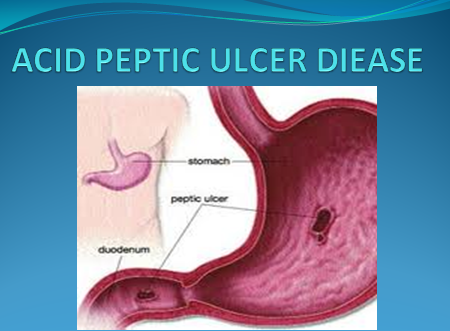
More.An eroded lesion in either the esophageal, gastric, or duodenal mucosa resulting from the action of gastric secretions and typically H.pylori bacterial inflammation.
-
 More.
More.- Osteoporosis is a condition characterized by a decrease in the density of bone, decreasing its strength and resulting in fragile bones. Osteoporosis literally leads to abnormally porous bone that is compressible, like a sponge. This disorder of the skeleton weakens the bone and results in frequent fractures (breaks) in the bones
-
 More.
More.Ulcerative colitis is an inflammatory bowel disease (IBD) that causes long-lasting inflammation and ulcers (sores) in the digestive tract. Ulcerative colitis affects the innermost lining of the large intestine (colon) and rectum. Symptoms usually develop over time, rather than suddenly. Ulcerative colitis can be debilitating and sometimes can lead to life-threatening complications. While it has no known cure, treatment can greatly reduce signs and symptoms of the disease and even bring about long-term remission.
| Photos |
|---|
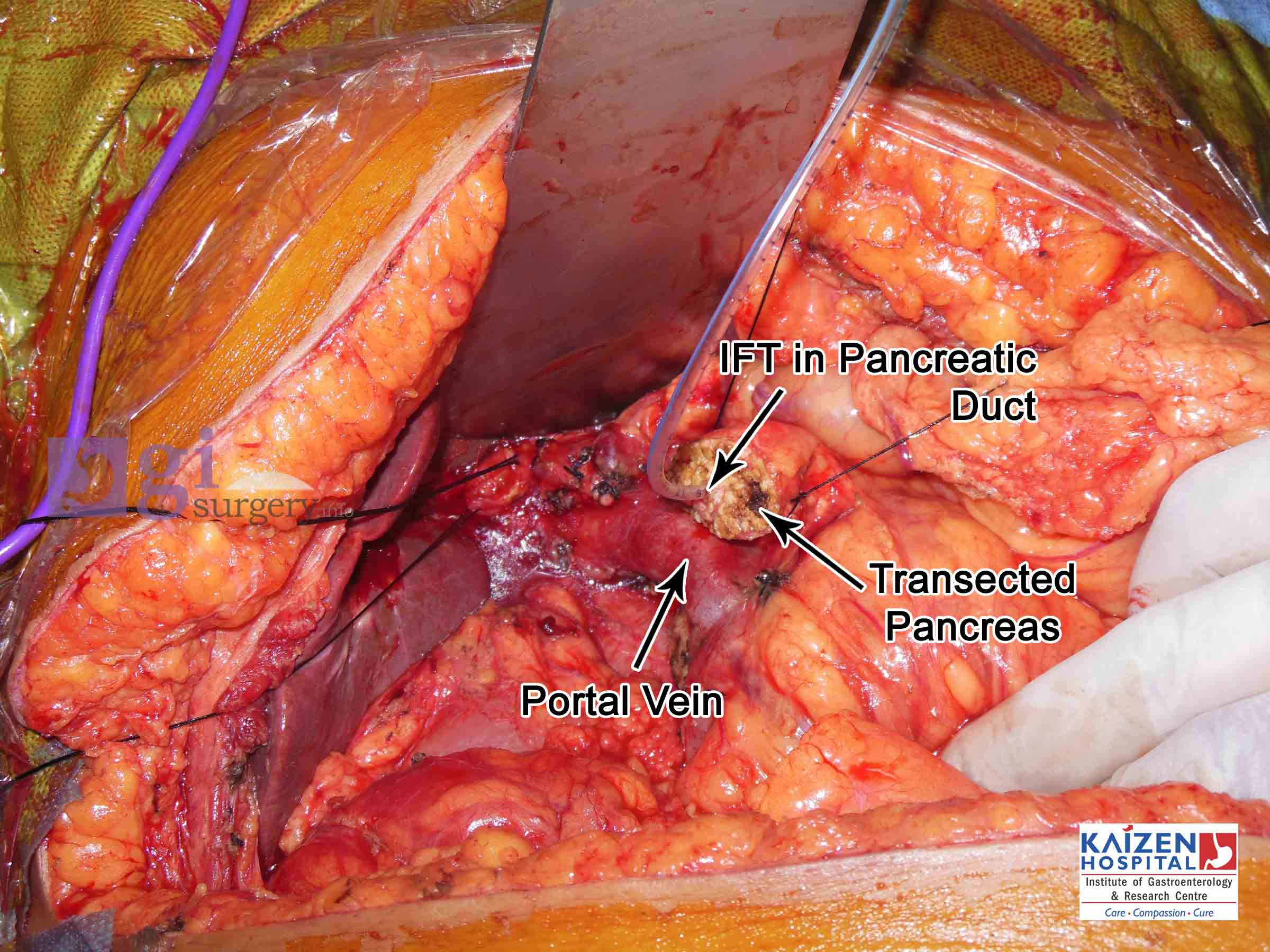
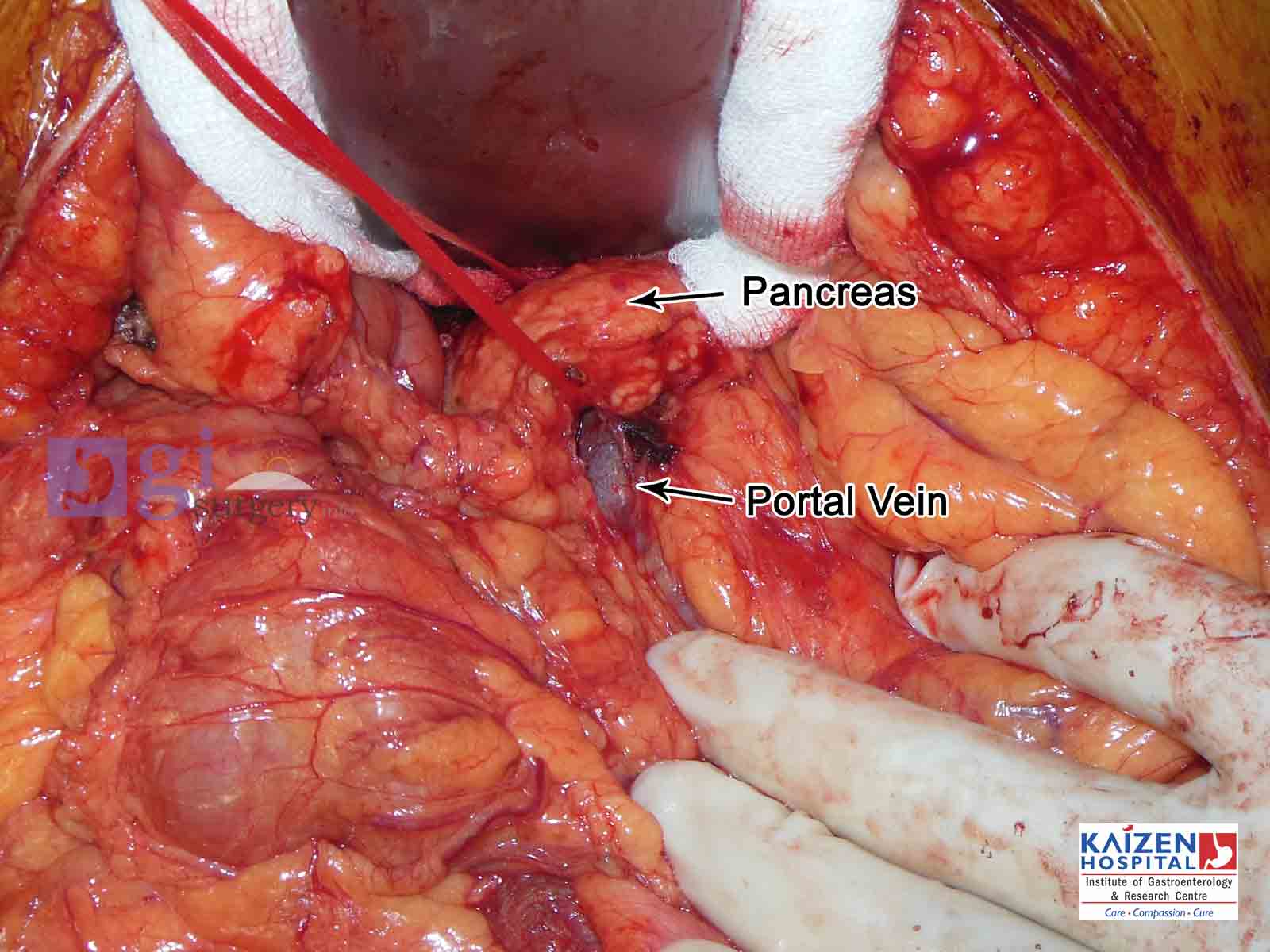
| Whipple's operation |
| Whipple's operation |
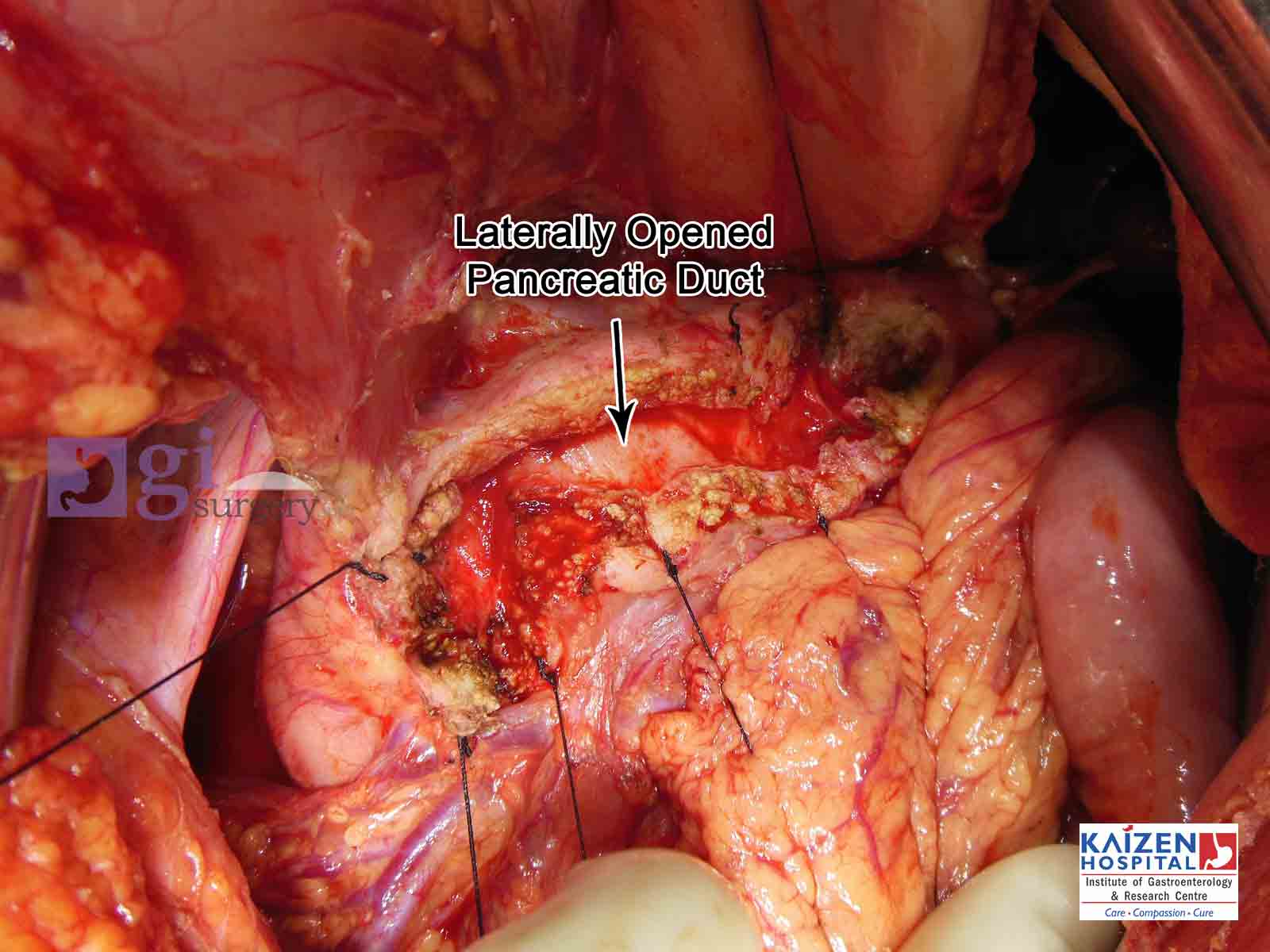
| Opened pancreatic duct |
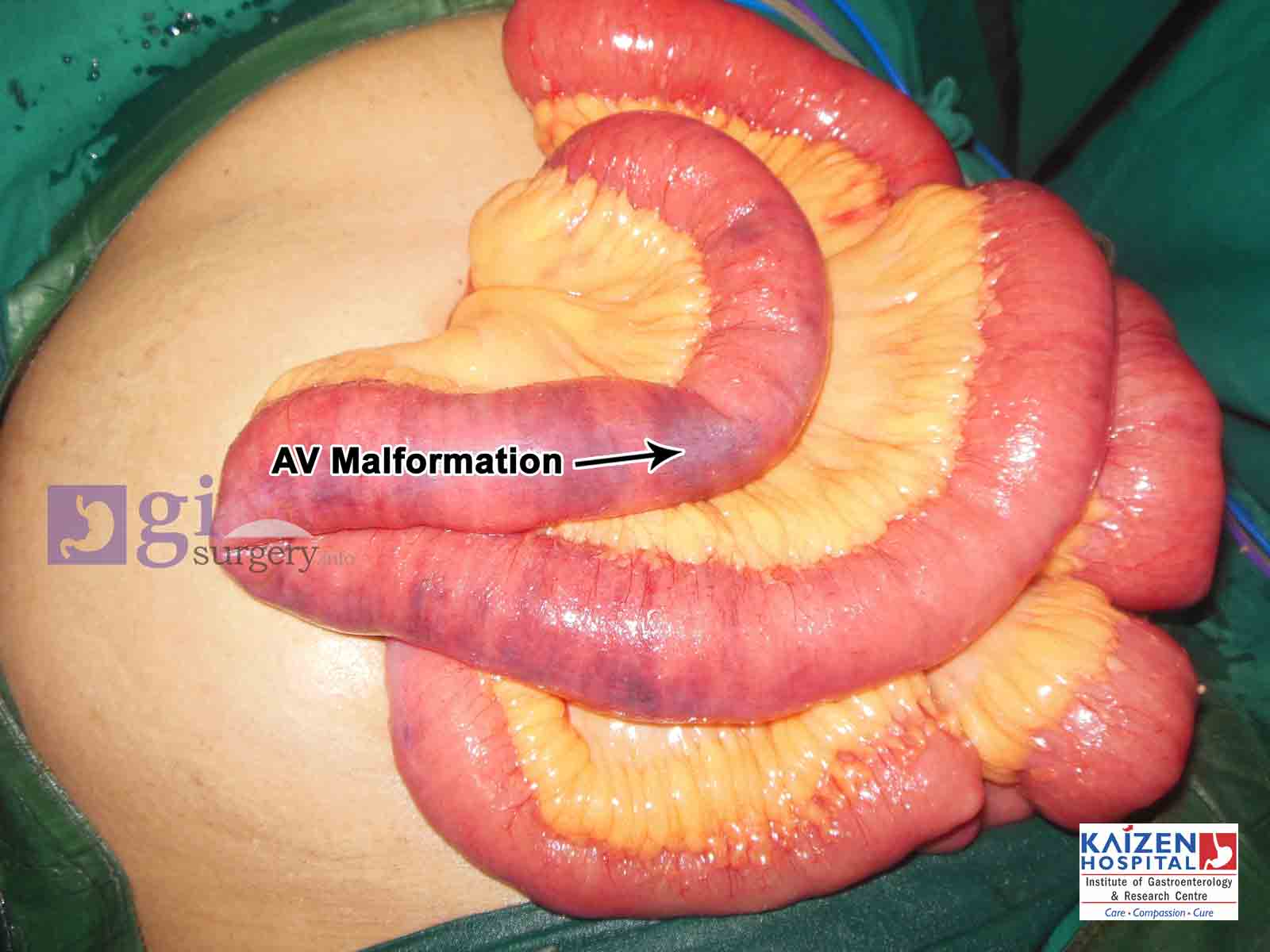
| AV Malformation of small intestine |
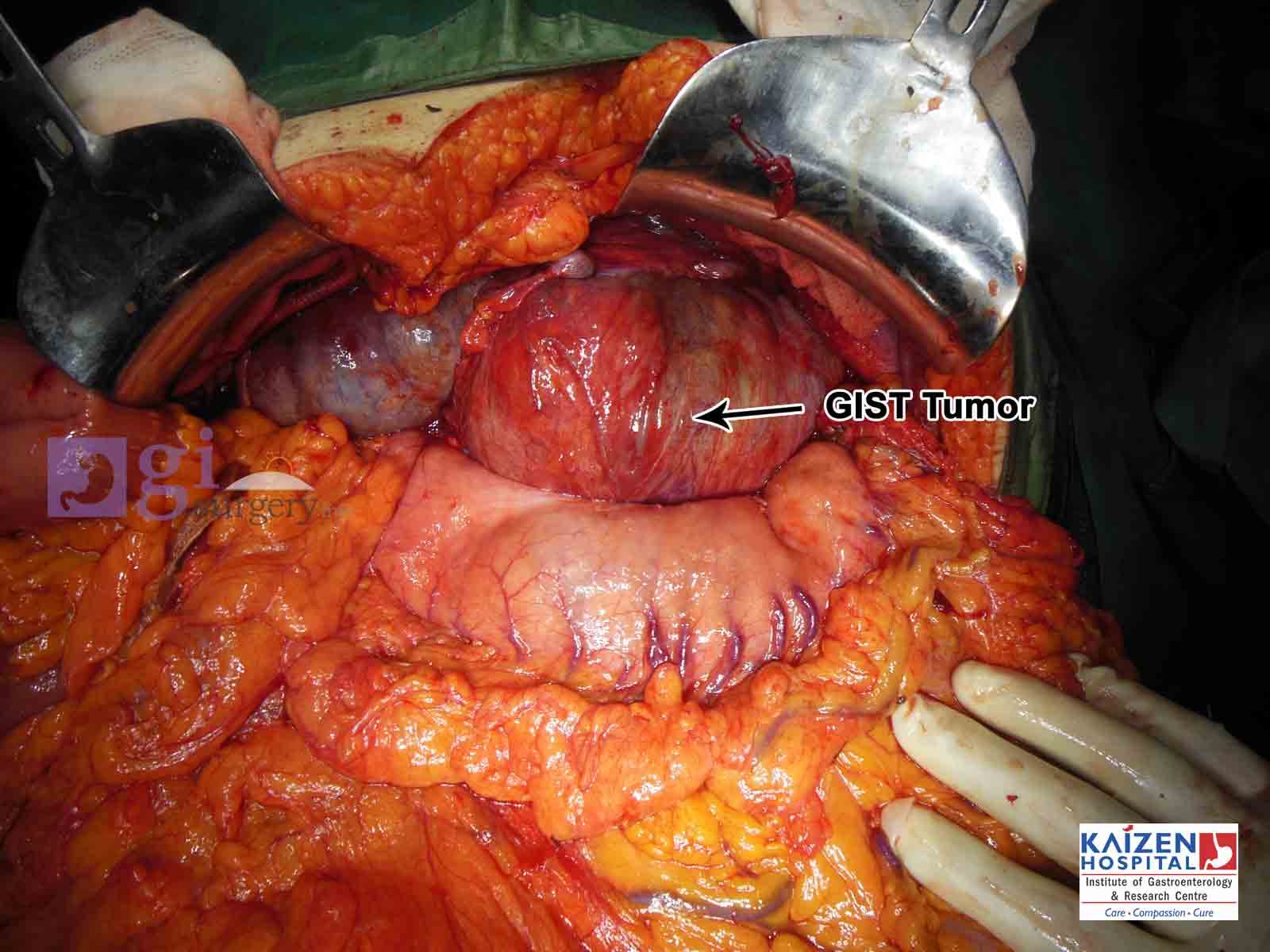
| GIST tumour |