-
 More.
More.It is study of how people work in their environment and how they adjusting their environment
-

Occupational Hazards “Better Prevented than Cured”
More.What are Occupational or Professional hazards?
An occupational or a professional hazard is something unpleasant that one may suffer or experience as a result of doing one’s job or profession that can lead to illness or death.
Why are Occupational hazards important?
Occupational or Professional hazards are important, as they are much more common than we think. One estimate suggests that they happen in 80% of people in their working lifetime. Further, these hazards significantly limit the ability of the person to carry out one’s own job and profession due to chronic or acute health problem. This significantly diminishes the productivity not only as an individual, but collectively can hamper the economic growth of a developing country such as India, where a majority of the population is young and is employed or working.
-

-

Lifestyle changes can prevent at least 60% of all Cancers
More.Are Cancers genetic (hereditary) or environmental in origin?
After sequencing his own genome, pioneer genomic researcher Craig Venter remarked, “Human biology is actually far more complicated than we imagine. Genes are absolutely not our fate. They can give us useful information about the increased risk of a disease, but in most cases they will not determine the actual cause of the disease, or the actual incidence of somebody getting it. Most biology will come from the complex interaction of all the proteins and cells working with environmental factors, not driven directly by the genetic code.”
The fact is, only 5–10% of all cancer cases can be attributed to genetic defects, whereas the remaining 90–95% have their roots in the environment and lifestyle(Fig. 1). The lifestyle factors include tobacco intake, cigarette smoking, diet (fried foods, red meat), alcohol, environmental pollutants, infections, stress, obesity, and physical inactivity and sun exposure. The evidence indicates that of all cancer-related deaths, almost 25–30% are due to tobacco, as many as 30–35% are linked to diet, about 15–20% are due to infections, and the remaining percentage are due to other factors like radiation, stress, physical activity, environmental pollutants etc. Therefore, cancer prevention requires tobacco abstinence, increased ingestion of fruits and vegetables, limited use of alcohol, caloric restriction, exercise, avoidance of direct exposure to sunlight, minimal meat consumption, use of whole grains, use of vaccinations, and regular health check-ups.
Cancer is caused by both internal factors (such as inherited mutations, hormones, and immune conditions) and environmental/acquired factors (such as tobacco, diet, radiation, and infectious organisms.
-

Lifestyle diseases 2 - Metabolic Syndrome: Must read
More.What is Metabolic Syndrome (MS)?
Metabolic syndrome, also called the Syndrome X is a disorder of energy utilization and storage, diagnosed by a co-occurrence of three out of five of the following conditions:
- Abdominal (central) obesity
- Elevated blood pressure
- Elevated fasting plasma glucose
- High serum triglycerides and
- Low high-density cholesterol (HDL) levels.
For example, high blood pressure alone is a serious condition, but when a patient has high blood pressure along with high fasting glucose levels and abdominal obesity, this patient may be diagnosed with metabolic syndrome. There is a greater chance this patient will have cardiovascular problems because of the combination of risk factors.
Metabolic syndrome is also associated with a generalized metabolic disorder called insulin resistance, which prevents people from using insulin efficiently. Therefore, metabolic syndrome is also sometimes called insulin resistance syndrome.
How common ismetabolic syndrome?
MS is much more common than we can imagine. In the USA, the prevalence is estimated 34% (one in three) of the adult population and the prevalence increases with age.
Prevalence of MS has reached epidemic proportions in India in recent years. Reported prevalence of MS in some regions of the country ranges from 23.2 to 41.1 per cent because of the high prevalence of prehypertension, overweight/obesity and adverse lipid profiles. The high cardiovascular death (CVD) risk of this apparently healthy adult population has important implications that should alarm the public health authorities of the country.
-

Lifestyle diseases: an emerging epidemic which needs urgent attention!!
More.What is a lifestyle?
A lifestyle is the pattern of living that we follow – how we work, what and when we eat, how and when we sleep, how much physical activity we do and whether we smoke or consume alcohol.
What is a disease?
A disease is a pathological condition that affects an organism, and is often associated with specific symptoms and signs. Long standing or chronic diseases such as hypertension, diabetes and obesity may not have symptoms or signs, but are known to cause serious complications if untreated in the long term.
What are Lifestyle diseases?
Diseases are of several types ie. genetic, cancers etc, but the most common types of diseases are:
- Communicable or Infectious diseases: develop due to spread of infections
- Non-communicable or Lifestyle diseases: Some diseases do not spread from one person to another through touch, air, food, water or sexual contacts. These diseases may develop in a person due to faulty eating and living habits. These diseases are called life style diseases.
Lifestyle diseases (also sometimes called diseases of longevity or diseases of civilization) are diseases that appear to increase in frequency as countries become more industrialized and people live longer.
Lifestyle or non-communicable diseases (NCD) are chronic (long term) in nature and cause dysfunction in the body and impair the quality of life. They may also lead to death. These diseases usually develop relatively over long periods. In the beginning there may not be any symptoms but after the disease sets in there may be a long period of impaired health. This leads to reduction in productivity and development of the country. As these are chronic conditions they are a financial burden for lifetime. Therefore, there is an increasing concern these days about lifestyle diseases that can be easily prevented but not cured.
-

“Sunshine Vitamin” D Too Less and Too much, both are harmful
More.What is Vitamin D? Vitamin D is a fat-soluble vitamin. Fat-soluble vitamins are stored in the body's fatty tissue. What is the Function of Vitamin D in our body? Vitamin D helps the body absorb calcium. Calcium and phosphate are two minerals that are essential for normal bone formation. Thus vitamin D is important for good overall health and strong and healthy bones. It’s also an important factor in making sure muscles, heart, lungs and brain work well and that the body can fight infection. Our body can make its own vitamin D from sunlight. We can also get vitamin D from supplements and a very small amount comes from a few foods you eat. Vitamin D deficiency can lead to osteoporosis in adults or rickets in children. Vitamin D is very important for strong bones. Calcium and phosphorus are essential for developing the structure and strength of your bones, and we need vitamin D to absorb these minerals. Even if we eat foods that contain a lot of calcium and phosphorus, without enough vitamin D, we can’t absorb them into our body. Vitamin D is important for general good health, and researchers now are discovering that vitamin D may be important for many other reasons outside of good bone health. Some of the functions of the body that vitamin D helps with includes:
- Immune system, which helps you to fight infection
- Muscle function
- Cardiovascular function, for a healthy heart and circulation
- Respiratory system –for healthy lungs and airways
- Brain development
- Anti-cancer effects
-

Vegetarians BeAware - Vitamin B12 deficiency can be a Killer
More.What is Vitamin B12?
Vitamin B12 is one of the water soluble vitamins, which is important for adequate function of red blood cells, nerve cells and brain cells.
Why is Vitamin B12 deficiency so common?
Vitamin B12 deficiency is extremely commonly seen in clinical practice today. This raises several questions, as to whether the deficiency is increasing, or is it that we are checking more frequently for B12? There is also a question whether RO water is related to Vitamin B12 deficiency. I shall try and answer these questions in the discussion.
What are the main sources of Vitamin B12?
Our body cannot manufacture Vitamin B12.
Vitamin B12 is not found in any vegetarian food. There was a belief that living vegetable sources like sprouting beans contain B12 but it is not a reliable source. Vegetables grown in fields receiving manure from human faecal material may have some Vitamin B12 but this is rather small in amount. Milk contains B12 and raw milk has a reasonable amount. However pasteurization of milk destroys B12 and if we use boiled pasteurized milk, the B12 content may come down from 1.2 mg/100cc to 300-400 ug/100cc. The US health authorities say that a healthy person should have 2.4 mg a day. This would require an intake of ¾ litre boiled milk to get the daily required Vitamin B12 intake. Nonvegetarian food such as liver, eggs, meat all contains B12, so those who take non-vegetarian food regularly have a good B12 intake.
The absorption of vitamin B12 in the body begins in the mouth where tiny amounts are absorbed through mucous membranes. The vitamin binds to intrinsic factor secreted by the stomach; it is this combination of compounds that is absorbed further down in the small intestines, in a portion called the ileum.
-

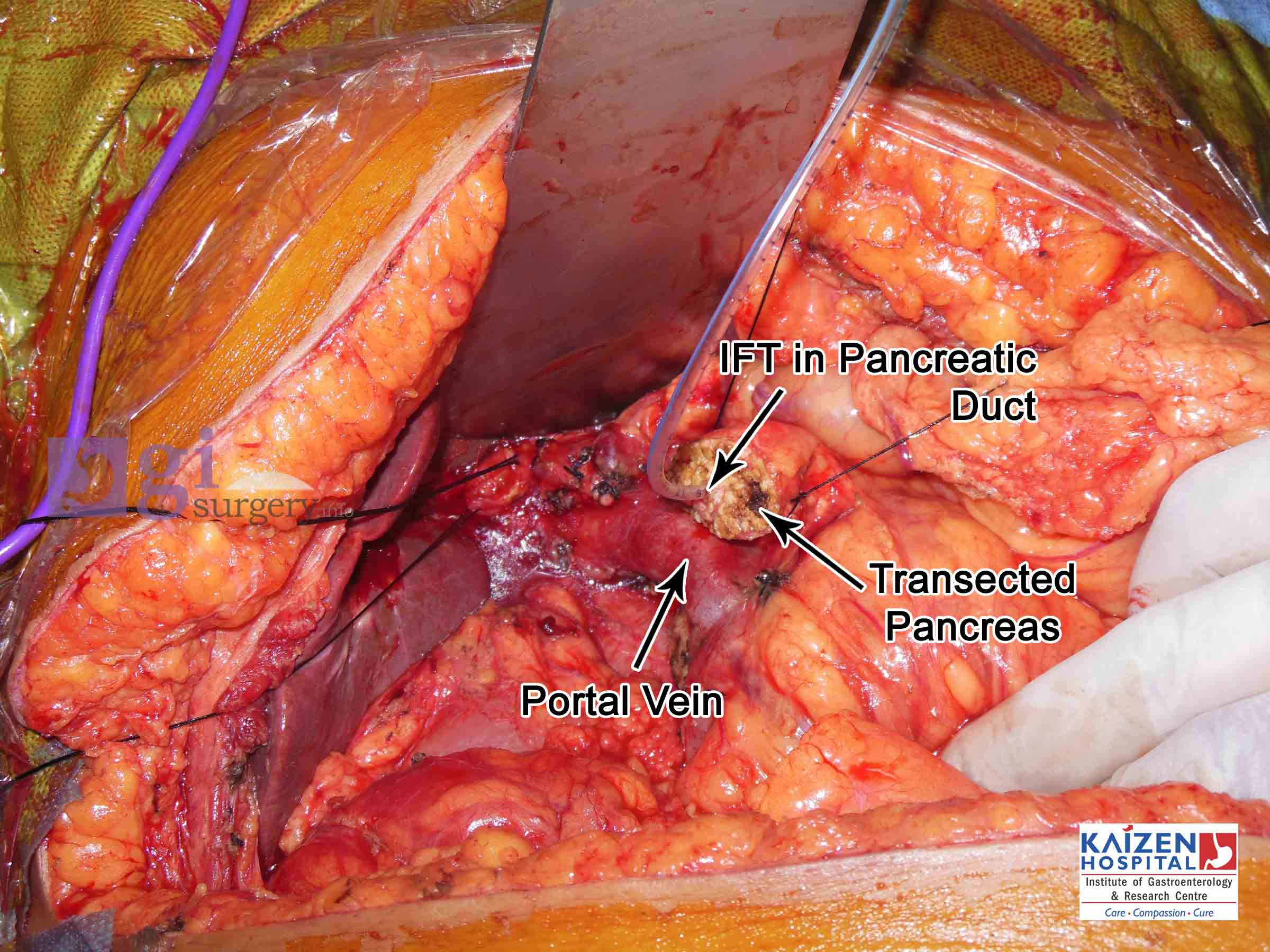
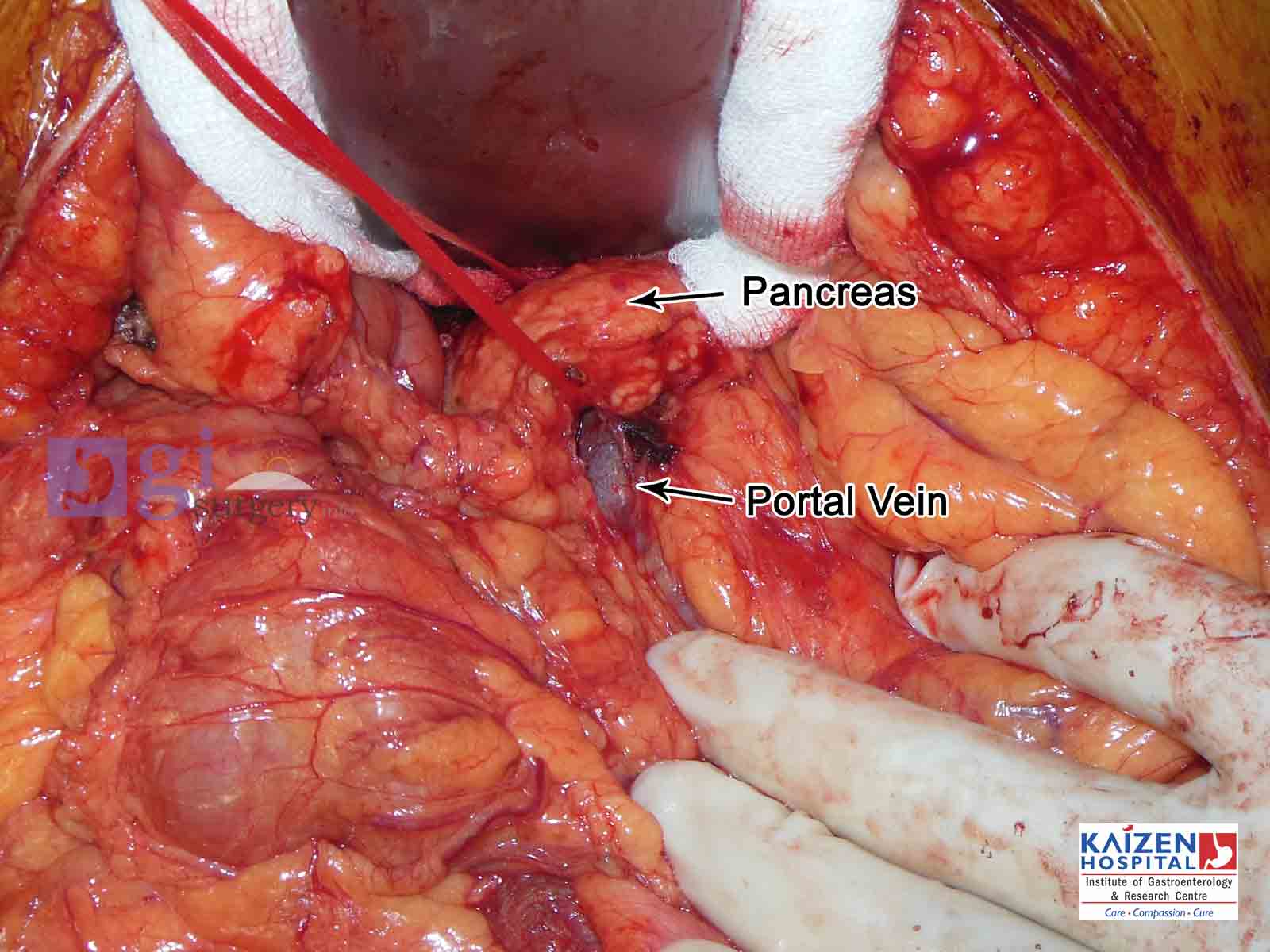
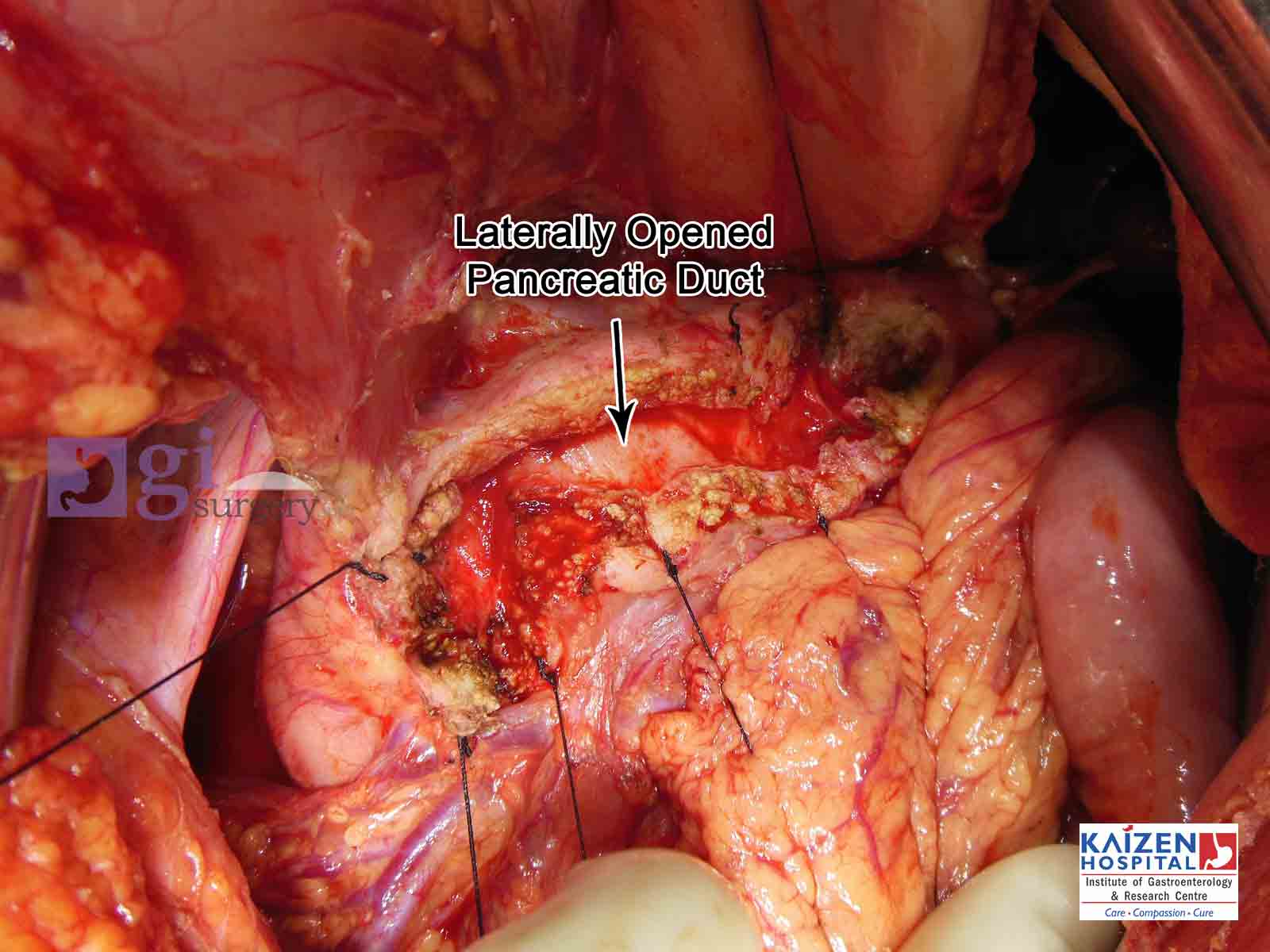
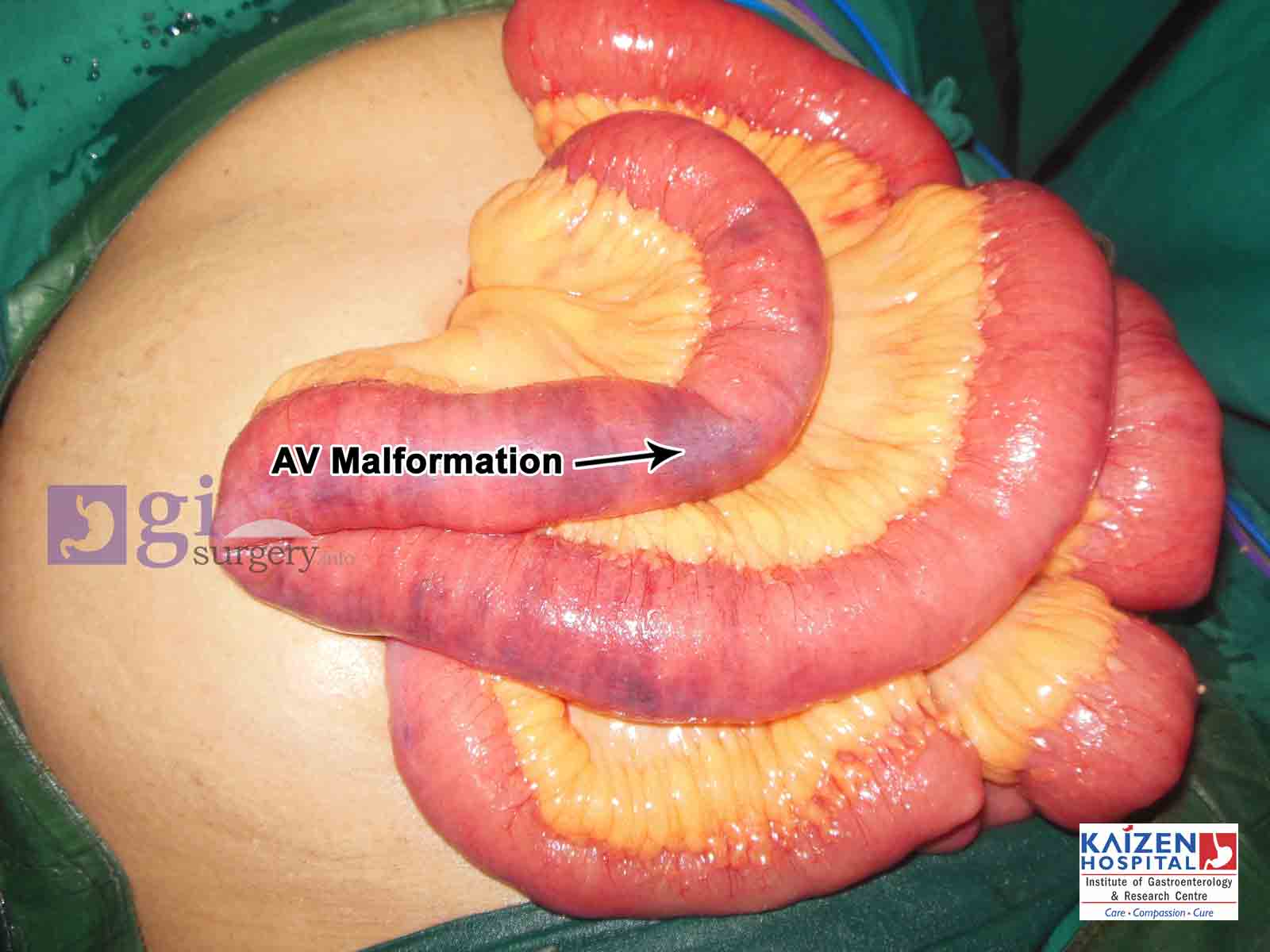
| Photos |
|---|
| Whipple's operation |
| Whipple's operation |
| Opened pancreatic duct |
| AV Malformation of small intestine |
| GIST tumour |