-

Dyspepsia, Irritable Bowel Syndrome (IBS)
More.This is a very common problem encountered in today’s world, due to sedentary lifestyle and unhealthy eating habits. Unhealthy eating habits include eating large volumes of food at a quick pace without adequately chewing the food, unable to reduce volume of food as age advances, eating fatty, spicy and oily food, eating a lot of fried and sweet food and beverages. Sedentary habits include absence of regular exercises, too much dependence on vehicles and machines for routine use i.e. excessive use of lifts for climbing 1-3 storeys, absence of sporting activities, laziness by nature to walk or perform household activities
-

Acidity (Acid peptic disease): Gastritis, H. Pylori, Peptic ulcers, GERD and Hiatus Hernia
More.What is Acidity or Acid peptic disease?
Acidity is a common lay person terminology to denote any acid related disorder. A strong acid is normally present in the stomach which helps in digestion of food as well to prevent entry of bacteria into the digestive system, and aids in the digestion of vit. B12, calcium absorption etc. Strictly speaking according to the medical literature there is no such word such as “acidity”. All these acid related diseases are grouped under Acid peptic diseases, and the symptoms are called acid related symptoms.
-

Overweight and Obesity: Proven Health Risks, we all should know
More.What is Obesity?
Overweight and obesity are defined as abnormal or excessive fat accumulation in the body that presents a risk to health. Obesity will have a negative effect on health, leading to reduced life expectancy and/or increased health problems. According to WHO, Obesity is one of the most serious public health problems of the 21st century.
Obesity isn’t just a cosmetic concern. It increases risk of diseases and health problems such as heart disease, diabetes and high blood pressure.In 2013, the American Medical Association classified obesity as a disease.
Obesity means having too much body fat. It is different from being overweight, which means weighing too much. The weight may come from muscle, bone, fat, and/or body water. Both terms mean that a person’s weight is greater than what’s considered healthy for his or her height.
Obesity occurs over time when one eats more calories than use. The balance between calories-in and calories-out differs for each person. Factors that might affect our weight include our genetic makeup, overeating, eating high-fat foods, and not being physically active.
Is Obesity a new disease of the new world?
Hippocrates wrote that “Corpulence is not only a disease itself, but the harbinger of others”. As early as 6th century BC, the pioneer Indian surgeon Sushruta related obesity to diabetes and heart disorders. He recommended physical work to help cure it and its side effects. Thus Obesity is prevalent since the ancient times, but has reached epidemic proportions globally in the 21st century.
-

Simple ways to save yourself from Swine Flu
More.Is the current outbreak of Swine Flu in India a very major one?
Till date, 700 people have died in India and 10,000 have been affected with swine flu in 2015. This certainly calls for a big concern to contain the outbreak of this disease and prevent an epidemic. The responsibility of containing the disease lies not just with the government, but all the citizens of India should be aware of ways and means of controlling this outbreak. There is an urgent need to avoid panic and increase awareness of this disease amongst general public. In the following short discussion on FAQ’s, I shall briefly outline the understanding of the facts and realities of H1N1 infection.
What is Swine Flu and how is it caused? Is it a newvirus?
Swine flu (swine influenza Type A) is a respiratory disease caused by viruses (influenza RNA viruses) that infect the respiratory tract, resulting in nasal secretions, a barking cough, decreased appetite, and listless behaviour. The current outbreak in India is caused by H1N1 strain infection.
The H1N1 influenza virus is not a new virus. There was a pandemic in 1918, and then a epidemic in USA in 1976 and 1998. On June 11, 2009, the World Health Organization raised the worldwide pandemic alert level to Phase 6 for swine flu, which is the highest alert level. This alert level means that the swine flu had spread worldwide and there were cases of people with the virus in most countries. The pandemic level identifies the spread of the disease or virus and not necessarily the severity of the disease. Swine flu spread very rapidly worldwide due to its high human-to-human transmission rate and due to the frequency of air travel.
-
 More.
More.What is peptic ulcer?
Peptic ulcer disease is a formation of painful open sores or ulcers in the inside lining of the esophageus (esophageal ulcers), stomach (gastric ulcers) or first part of the small intestine called duodenum (duodenal ulcers). Most of the peptic ulcers are caused by infection with a type of bacteria called Helicobacter Pylori (H Pylori).
-
 More.
More.What is chronic liver disease?
Chronic liver disease is a progressive and gradual destruction of liver tissue and regeneration of the liver parenchyma leading to fibrosis and cirrhosis over time. Because of the chronic damage to the liver, scar tissue slowly replaces normal functioning of liver tissue, progressively diminishing blood flow through the liver. As the normal liver tissue is lost, nutrients, hormones, drugs and poisons are not processed effectively by the liver. In addition, protein production and other substances produced by the liver are diminished.
Fibrosis is the growth of scar tissue due to infection, inflammation, injury or even healing. Fibrosis in the liver can inhibit the organ’s proper functioning. Liver fibrosis is usually the result of Liver sirrhosis.
-
 More.
More.What is Gallstone disease?
Gallbladder is a small organ located under the liver. Its function is to aid in digestion of food by storing and secreting bile (a digestive juice) into the small intestine when food enters there. Bile is a digestive fluid that is produced by the liver and is made up of several substances including cholesterol, bilirubin and bile salts.
Gallstones are pieces of solid material that form in the gallbladder. Sometimes the cholesterol and pigments present in bile result in formation of hard particles. These stones range in size from tiny sand grains to large ones the size of golf balls.
There are mainly two types of gallstones that can be formed inside gallbladder:
Cholesterol stones: these are the most common type of gallstones, often appears yellow green in color. Almost 80% of the gallstones are cholesterol stones.
Pigment Stones: it is usually formed due to the large amount of bilirubin inside gallbladder. They are dark brown or black in color.
-
 More.
More.What is common bile duct stone?
Common Bile Duct (CBD) is a tube that carries bile from gallbladder or liver to the small intestine. CBD stone also known as duct stone or choledocolithiasis is a presence of a gallstone in the common bile duct. Gallstone usually forms inside the gallbladder which is a pear shaped organ below the liver. These stone usually remains in gallbladder however sometime it migrates into common bile duct and gets tucked obstructing the passage this condition is called choledocolithiasis or CBD stone.
-
 More.
More.What is colorectal cancer?
Cancer of large intestine (colon) and rectum is the third most frequently diagnosed cancer in men and women. This type of cancer occurs because of the abnormal cell growth in the lining of colon or rectum. A benign growths on the inside surface of the colon or rectum known as polyps are formed in the initial stage of colorectal cancer which usually remains localized, but some polyps have potential to turn malignant causing cancer. Removing these polyps on early stage prevents colorectal cancer. If it is diagnosed in early stage it can be completely cured therefore it is very important to get screening on regular basis.
-
 More.
More.What is Barrett's Esophagus?
Barrett's oesophagus is a condition which affects the lower oesophagus. It is named after the doctor who first described it. In Barrett's oesophagus, the cells that line the affected area of gullet (oesophagus) become changed. The cells of the inner lining (epithelium) of a normal oesophagus are pinkish-white, flat cells (squamous cells). The cells of the inner lining of the area affected by Barrett's oesophagus are tall, red cells (columnar cells). The columnar cells are similar to the cells that line the stomach. Another name sometimes used by doctors for Barrett's oesophagus is columnar-lined oesophagus (CLO).
| Photos |
|---|
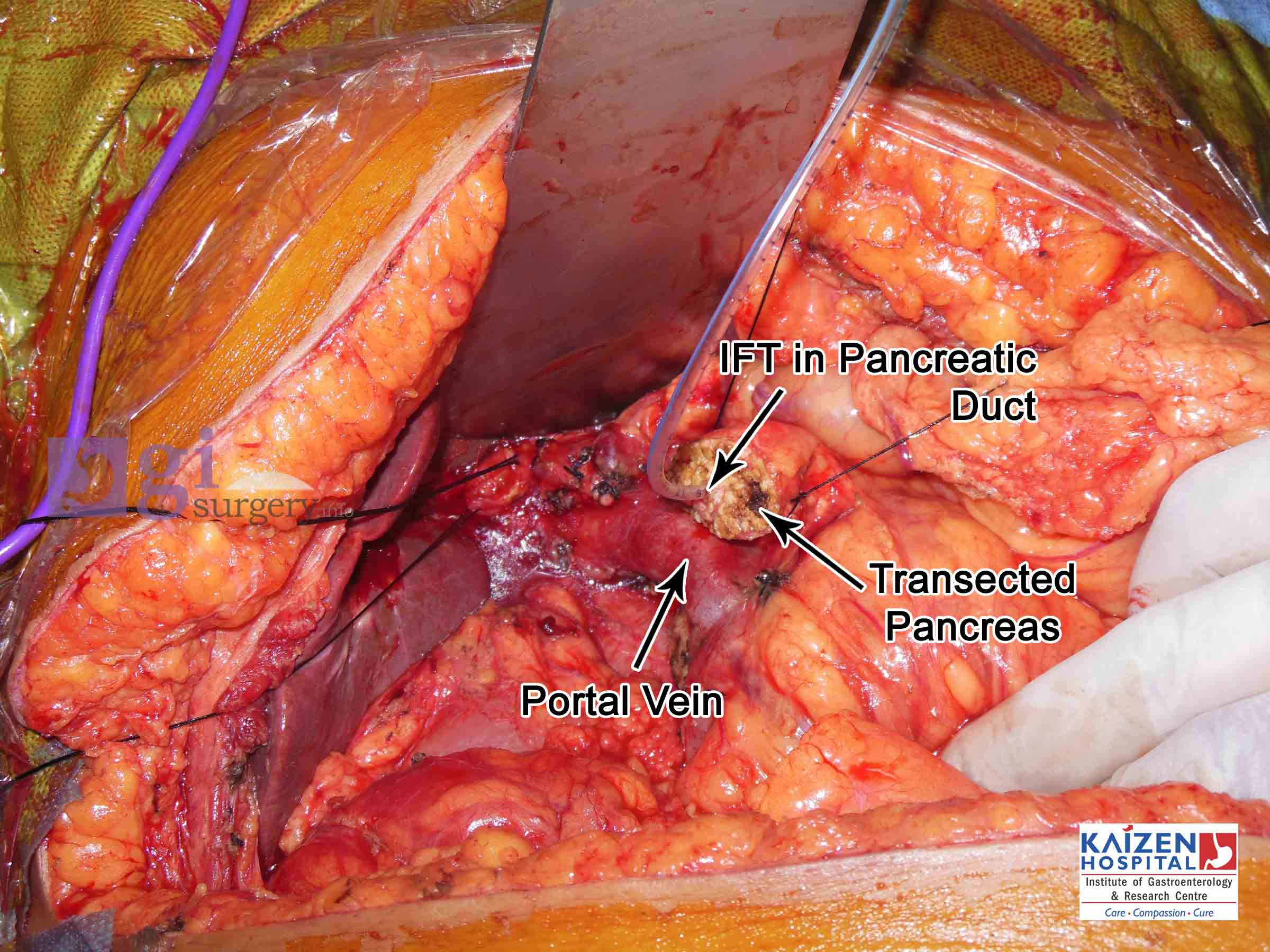
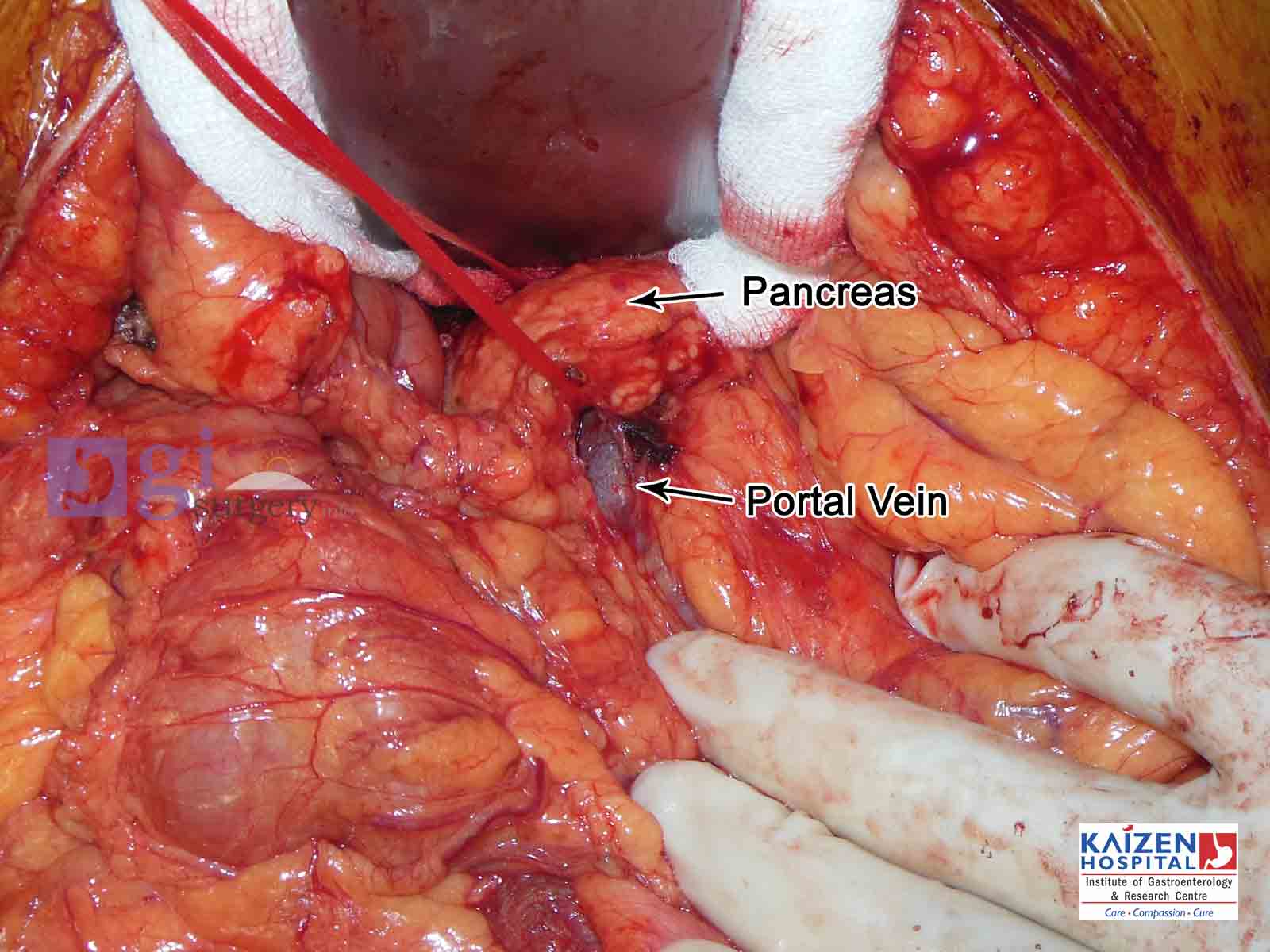
| Whipple's operation |
| Whipple's operation |
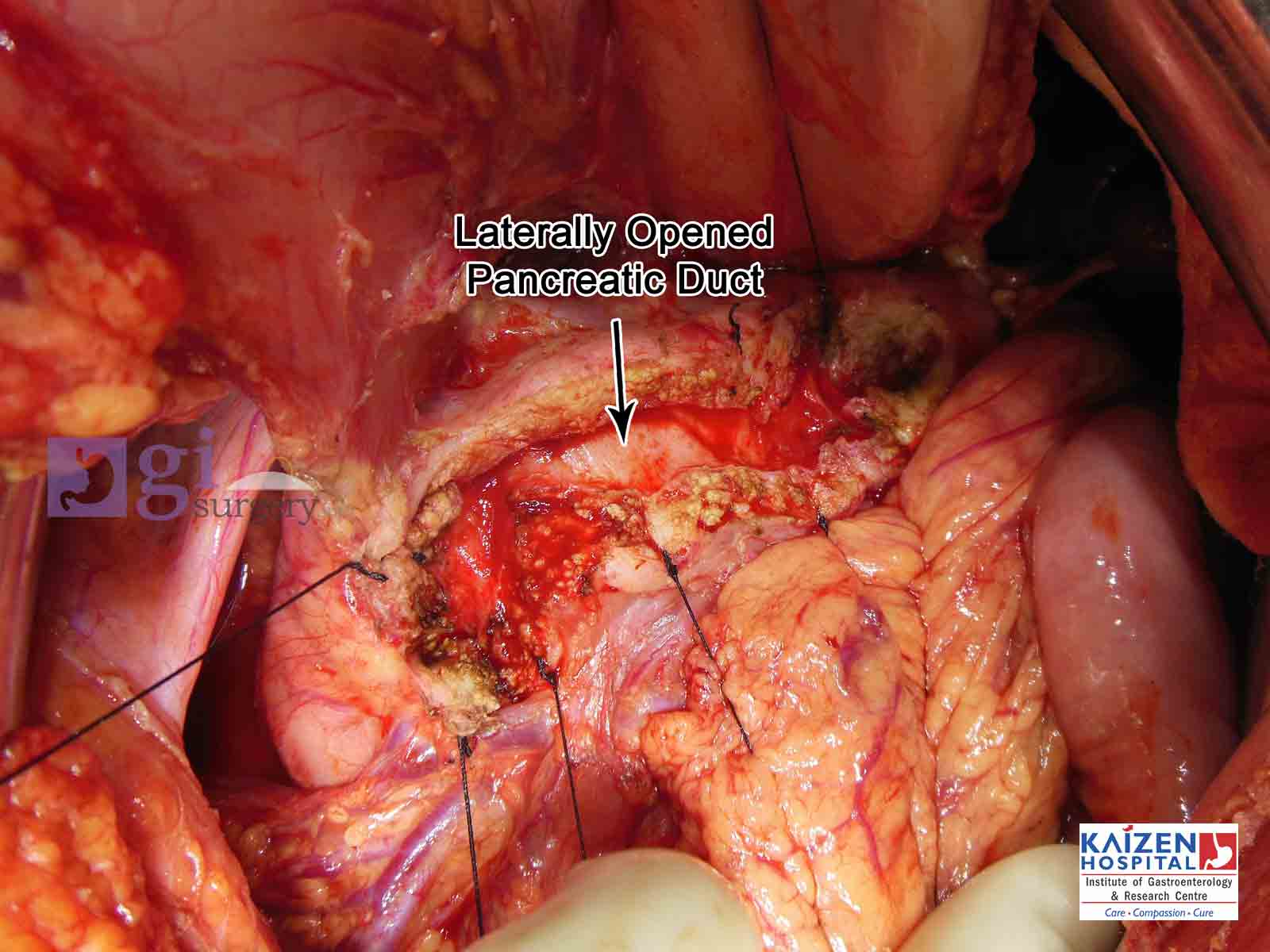
| Opened pancreatic duct |
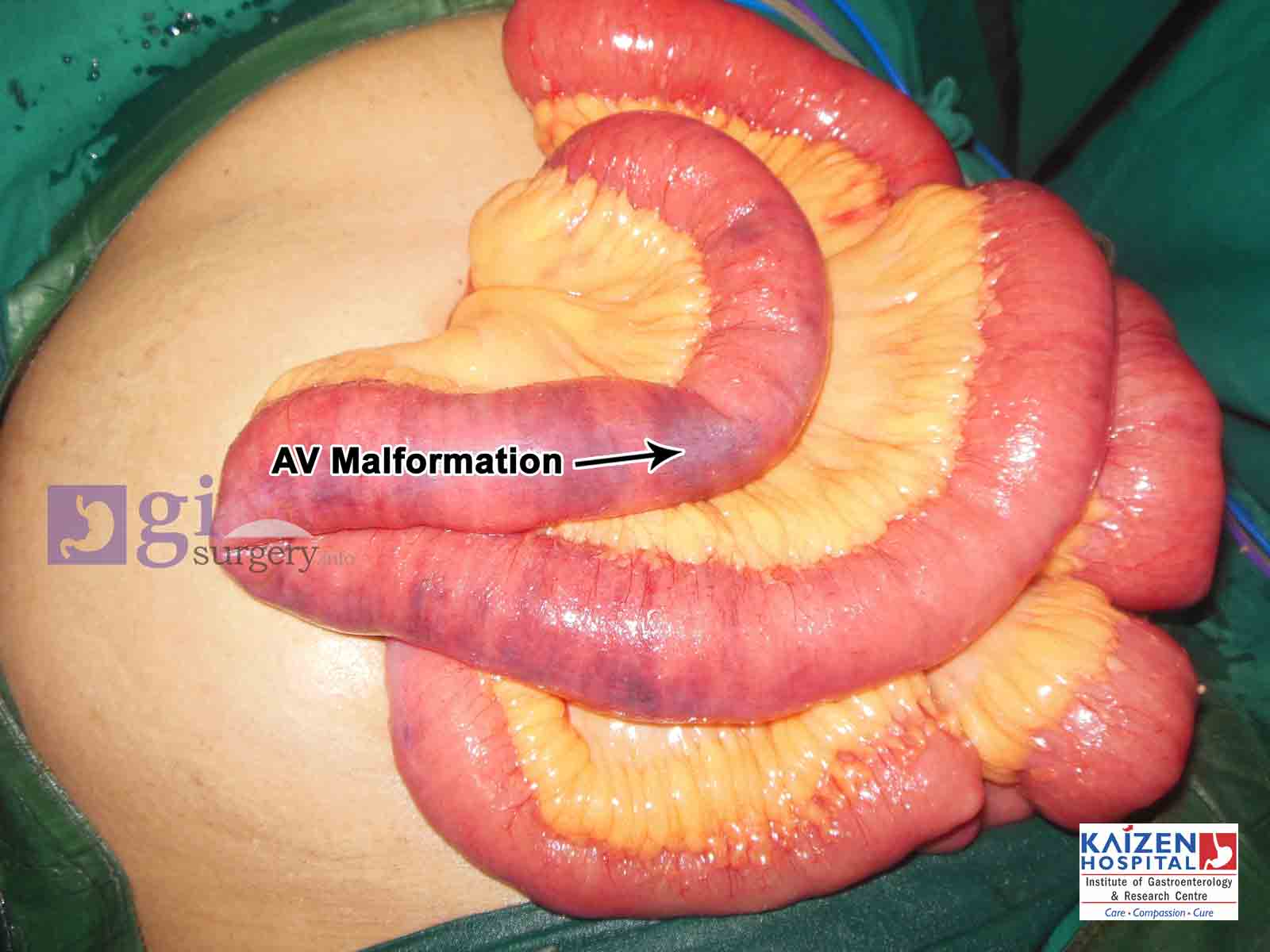
| AV Malformation of small intestine |
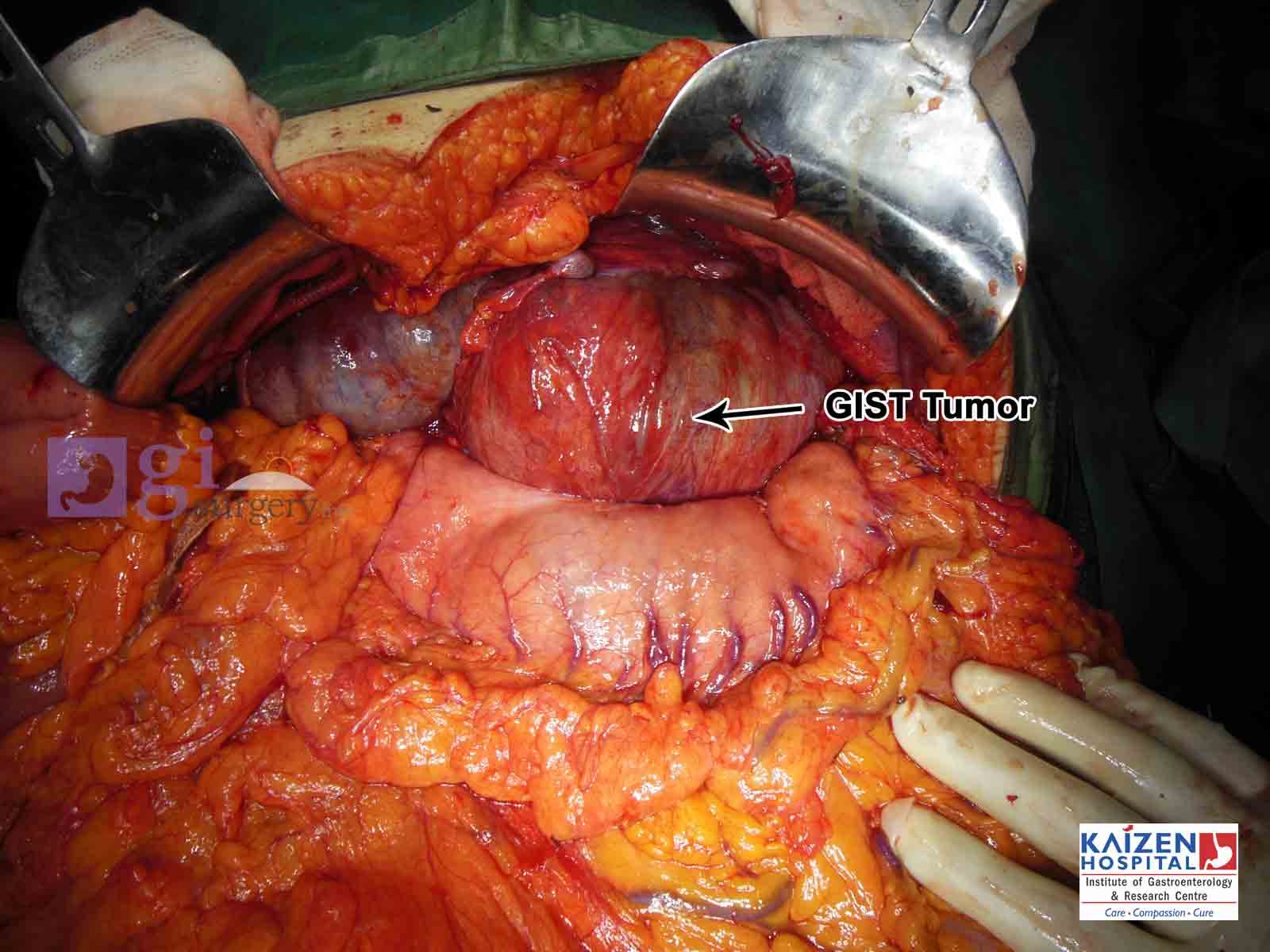
| GIST tumour |